
O’Hare Opens Up: United’s New Chicago Routes and Where to Go
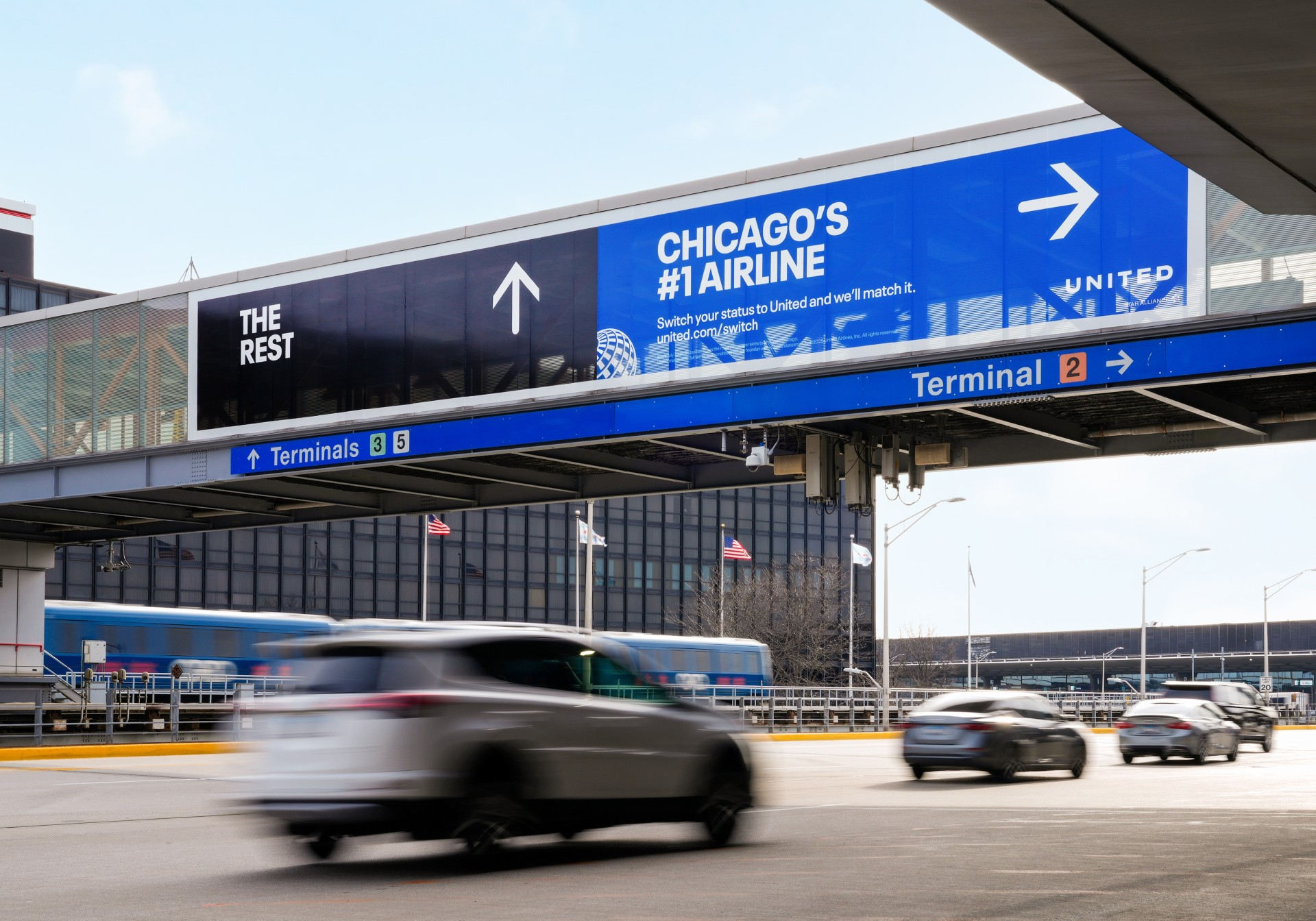
The announcement landed last week and it was a big one, even by United’s recent standards. The Chicago-based carrier is adding ten entirely new international destinations across Europe and Asia, a move the airline itself is calling the largest route reveal in its history. Eight of those depart from Newark, which is where the Chicago angle gets interesting for anyone who actually lives near O’Hare. You will need to connect through the New York area for most of these, but the schedule timing matters more than the extra leg.
Before you get excited about the headline names, there is a practical layer that determines whether any of this is worth your time. The first thing I check, before fares or even destinations, is whether the connecting flight at Newark leaves you with a reasonable buffer—and that’s especially true when you’re hunting for cheap flights chicago to Europe. United’s new A321XLR aircraft handles the thinner routes, and that plane has been arriving late on nearly a third of its transatlantic sectors since it entered service. A 50-minute connection to Ibiza sounds fine in theory and miserable when the inbound from Chicago is already forty minutes behind.
The second thing worth checking is whether you even need to fly from O’Hare at all. Chicago Midway is the city’s other airport, and for the European leisure routes that United is adding, the low-cost carriers out of MDW can undercut the mainline fares by a meaningful margin once you add in baggage and seat selection. The tradeoff is schedule reliability, which at Midway has been shaky this summer, so it is not an automatic win for everyone.
For the routes that actually interest me, the pricing structure breaks down in a fairly predictable way. Round-trip fares from Chicago to Ibiza start around $430 if you book well ahead and accept a red-eye connection through Newark, while the Okinawa route runs closer to $510 each way in economy because the demand is thinner and the aircraft capacity is smaller. The Mediterranean routes, particularly the Sicily and Sardinia additions, sit in that $380 to $460 band where the fare is genuinely competitive with what you would pay on a legacy carrier from a European hub.
The received wisdom about booking windows falls apart on these new routes, and I say that having been burned by it. Everyone repeats that you should book six weeks ahead for short-haul leisure, but these are long-haul routes with limited frequency, and the fares start climbing about four months out once the initial allocation sells through. I have seen the Ibiza fare jump from $430 to $620 in a single week in March, and then hold steady at that level until departure. Book these early, not late, and treat the search I use as a starting point rather than gospel.
What I would actually tell you to do, having watched this pattern repeat across United’s last three major expansions:
- Set a fare alert on the specific route, not the region
- Book when the price drops below $450 for the European routes, or below $500 for Asia
- Accept that the return flight will likely be the more expensive leg
- Check whether the connection at Newark is under 90 minutes before committing
- Ignore the Tuesday-buying advice entirely, it has never held up to scrutiny
The Newark concentration is the real story here, and it is worth being honest about the alternative. For a traveler in Chicago proper, the train to the East Coast followed by a flight from Newark is a genuine option that beats flying for the short hop, especially when you factor in the security lines at O’Hare during construction season. The airport is a massive building site right now, with the first new concourse in two years scheduled to open soon, and anyone who has cleared security at Terminal 1 recently knows the chaos. Amtrak’s Lake Shore Limited gets you to New York in about nineteen hours, which sounds absurd until you account for the fact that the connecting flight from Chicago adds two hours of flying plus a three-hour layover.
The destinations themselves are not the typical beach-and-paella lineup either. Luxembourg is getting a route, which makes sense for the business traffic, and Toulouse finally has a nonstop option that does not require changing planes in Paris. The Slovenia addition is the sleeper hit for anyone who likes the Alps without the crowds, since the airport at Ljubljana is small enough that you clear immigration in under ten minutes on most days.
What actually decides whether these routes work for you is the Newark connection, and that is not something any fare comparison will tell you. The search tools will happily sell you a 45-minute connection that United’s own schedule padding cannot reliably protect, so check the inbound aircraft’s on-time performance before you commit. The fare on this page will look identical either way, but one version of that booking ends with you sleeping in the Newark terminal and the other gets you to Ibiza by lunch.
The trick is remembering that United is building these routes for the premium traveler who books business class and connects through Newark without thinking twice. If that is you, the new network is genuinely exciting. If you are booking economy and trying to save money, the same fares that look like a deal will often cost you more in missed connections and hotel nights than the difference between this and a more conservative routing through a European hub.